
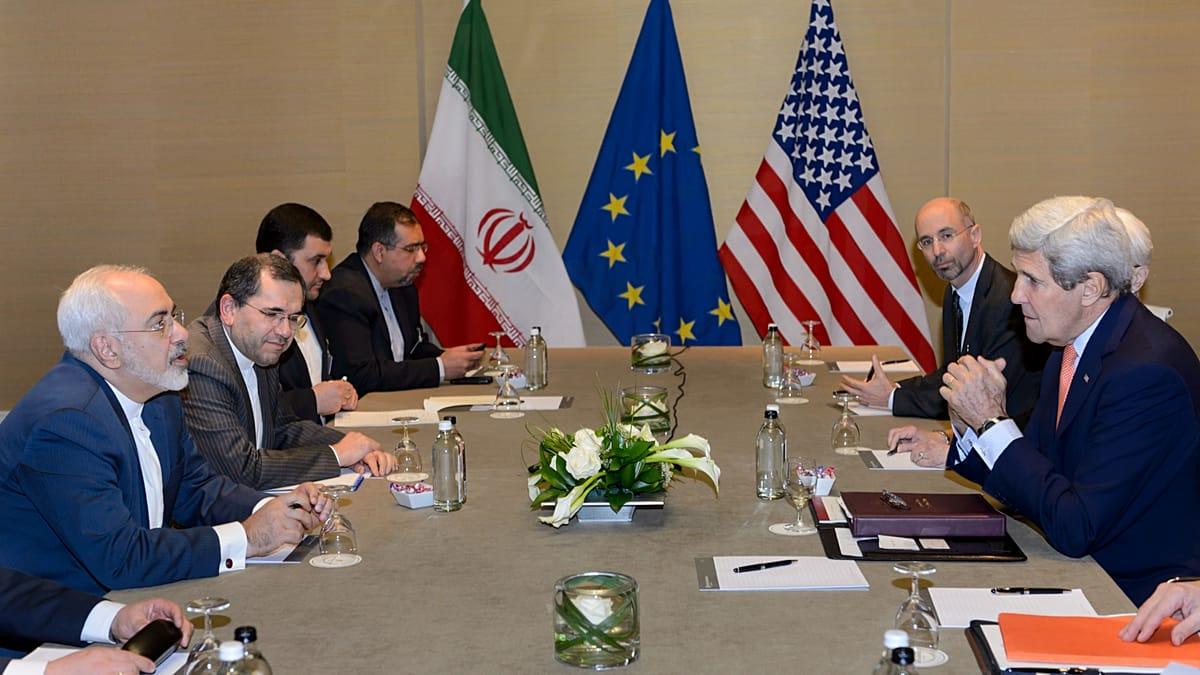
Iran’s senior negotiating delegation has left Switzerland after the first round of high-level talks with the United States, with mediators saying the discussions made “constructive” / “encouraging” progress toward a possible broader agreement. The talks are part of efforts to reduce tensions across the Middle East, especially around Iran’s nuclear programme, sanctions, Lebanon conflict, and the Strait of Hormuz.
Where and when did the talks happen?
The talks were held in Bürgenstock, Switzerland.
The discussions involved US and Iranian officials with Qatar and Pakistan acting as mediators.
Iran’s delegation was led by senior officials including parliamentary speaker Mohammad Bagher Ghalibaf and Foreign Minister Abbas Araghchi.
What was the outcome?
The first round ended with both sides saying progress was made, but no final peace deal has been signed yet. The sides reportedly agreed to continue technical discussions on key issues.
Key areas discussed:
- Nuclear programme
The biggest issue remains Iran’s nuclear activities.
The US wants:
limits on Iran’s nuclear capabilities
stronger monitoring and verification
guarantees that Iran cannot develop nuclear weapons
Iran wants:
recognition of its nuclear rights
sanctions relief
economic benefits in exchange for commitments
Further technical talks are expected.
- Sanctions relief and economic issues
Iran has reportedly sought:
easing of restrictions on oil exports
access to frozen financial assets
economic support measures
Iranian officials said the discussions included possible steps involving oil and financial issues, though details remain under negotiation.
- Strait of Hormuz tensions
The Strait of Hormuz is a major global oil route. Any conflict there could affect:
oil prices
global energy supplies
shipping security
The talks reportedly included efforts to create communication channels to prevent military misunderstandings in the area.
- Lebanon and regional fighting
The crisis is also connected to fighting involving Israel, Hezbollah, and wider regional tensions.
A proposed mechanism for reducing clashes in Lebanon was discussed, including better communication between sides to avoid escalation.

Hyderabad: Brain-dead businesswoman’s family donates her organs