
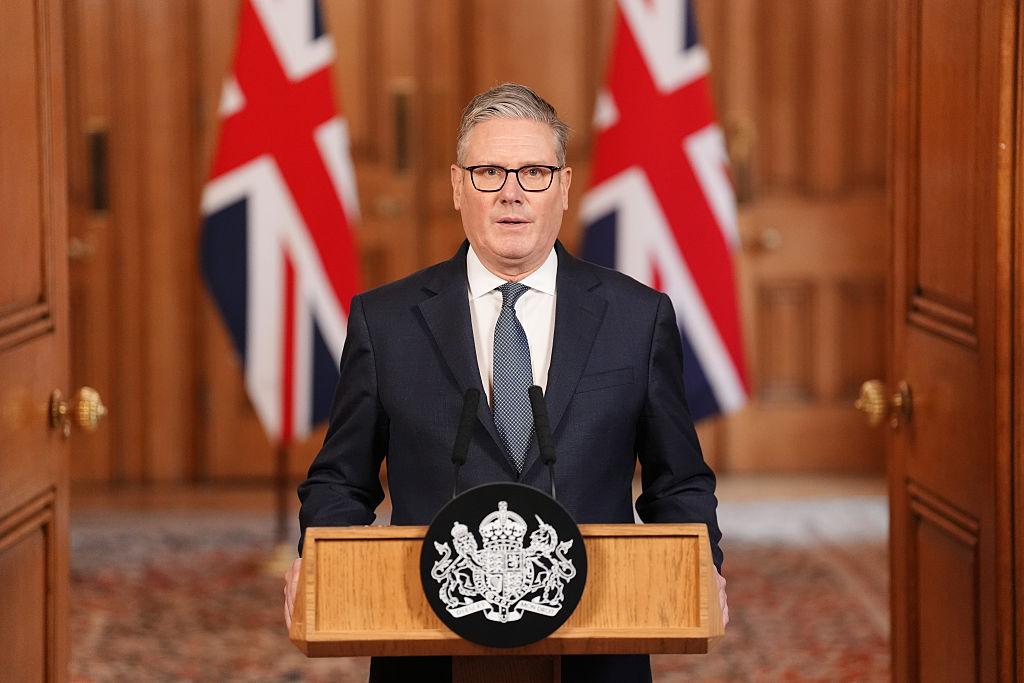
UK Prime Minister Sir Keir Starmer has announced his resignation as Prime Minister after intense political pressure inside his own party and falling public support. His resignation comes less than two years after he led the Labour Party to a major election victory in 2024.
Why did Starmer resign?
The main reasons reported behind Starmer’s exit include:
- Growing rebellion inside Labour: Many Labour MPs and senior figures began questioning whether Starmer could lead the party into the next general election.
- Poor election results: Labour suffered heavy losses in local elections, increasing pressure on Starmer’s leadership.
- Rise of opposition pressure: The growing popularity of Nigel Farage and Reform UK created fears among Labour MPs about future electoral damage.
- Internal leadership challenge: The return of Andy Burnham to Westminster after a strong by-election performance intensified calls for a leadership change.
Starmer’s time as Prime Minister
Starmer became UK Prime Minister on 5 July 2024 after Labour won the general election and ended the long Conservative government period.
His government focused on:
1. economic growth
2. reducing waiting times in the NHS
3. improving public services
4. strengthening international partnerships
However, his government faced criticism over:
1. cost-of-living concerns
2. policy reversals
3. cabinet controversies
4. declining popularity among voters
What happens next?
Starmer will remain Prime Minister temporarily until a new Labour leader is chosen.Labour will begin a leadership contest to select his replacement.
If Labour chooses a new leader, that person is expected to become Prime Minister without a general election because Labour still holds a parliamentary majority.
Possible successors
Names being discussed include:
Andy Burnham — considered a leading contender after his by-election victory.
Wes Streeting — another possible Labour leadership figure.
Yvette Cooper — also mentioned among possible contenders.
Political impact

Hyderabad: Brain-dead businesswoman’s family donates her organs