
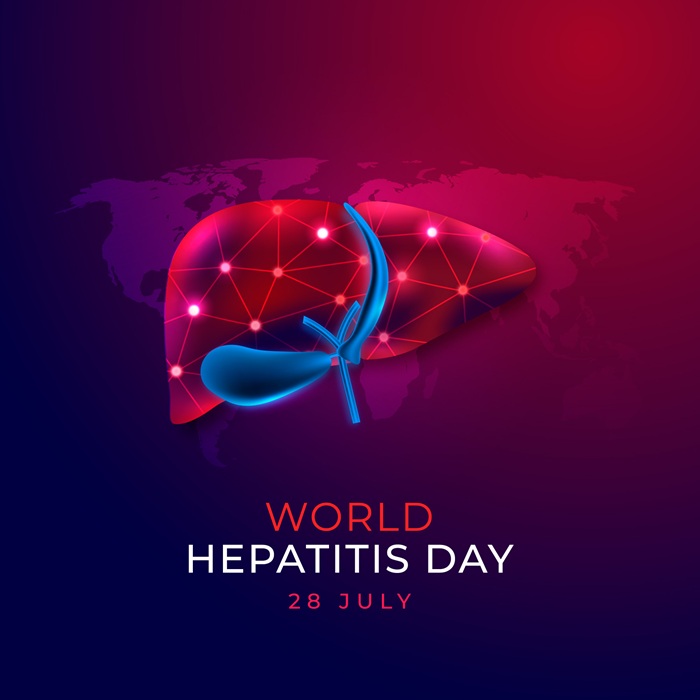
World Hepatitis Day, observed every year on July 28, aims to raise awareness about viral hepatitis, a disease that affects the liver and often shows no symptoms until serious damage has occurred. Health experts say that early screening, timely diagnosis, and vaccination are the most effective ways to prevent complications such as liver cirrhosis and liver cancer.
Why is Hepatitis Called a Silent Disease?
Doctors explain that many people infected with hepatitis may not experience any symptoms for years. During this time, the virus can quietly damage the liver. Because of this, many patients are diagnosed only after the disease has reached an advanced stage.
Common symptoms, when they do appear, include:
Extreme tiredness
Loss of appetite
Nausea and vomiting
Yellowing of the skin and eyes (jaundice)
Dark-colored urine
Pain or discomfort in the upper abdomen
However, many infected individuals have no symptoms at all, making regular screening important.
Types of Viral Hepatitis
There are five main types of viral hepatitis:
Hepatitis A: Usually spreads through contaminated food or water. It often causes a short-term illness and vaccines are available.
Hepatitis B: Spreads through infected blood, unprotected sex, or from mother to baby during childbirth. It can become a chronic disease but can be prevented with vaccination.
Hepatitis C: Mainly spreads through infected blood. There is no vaccine, but modern antiviral medicines can cure most cases.
Hepatitis D: Occurs only in people already infected with Hepatitis B.
Hepatitis E: Usually spreads through contaminated drinking water and is more common in areas with poor sanitation.
Importance of Early Screening
Health experts recommend hepatitis testing for:
People with a family history of liver disease
Healthcare workers
Pregnant women
People who received blood transfusions before strict screening practices
Individuals with high-risk exposure to infected blood
Early diagnosis allows doctors to begin treatment before severe liver damage develops.
Vaccination Saves Lives
Experts emphasize that vaccination is one of the strongest defenses against Hepatitis A and Hepatitis B. Vaccinating newborns, children, and adults who have not been immunized significantly reduces the risk of infection.
There is currently no approved vaccine for Hepatitis C, making prevention and early testing especially important.
How to Protect Yourself
Doctors advise the following preventive measures:
Get vaccinated against Hepatitis A and B.
Practice good hand hygiene.
Drink clean and safe water.
Avoid sharing needles, razors, or toothbrushes.
Ensure medical procedures use sterile equipment.
Practice safe sex.
Undergo regular health check-ups if you are at higher risk

Actress with back-to-back Telugu flops may leave Hyderabad