
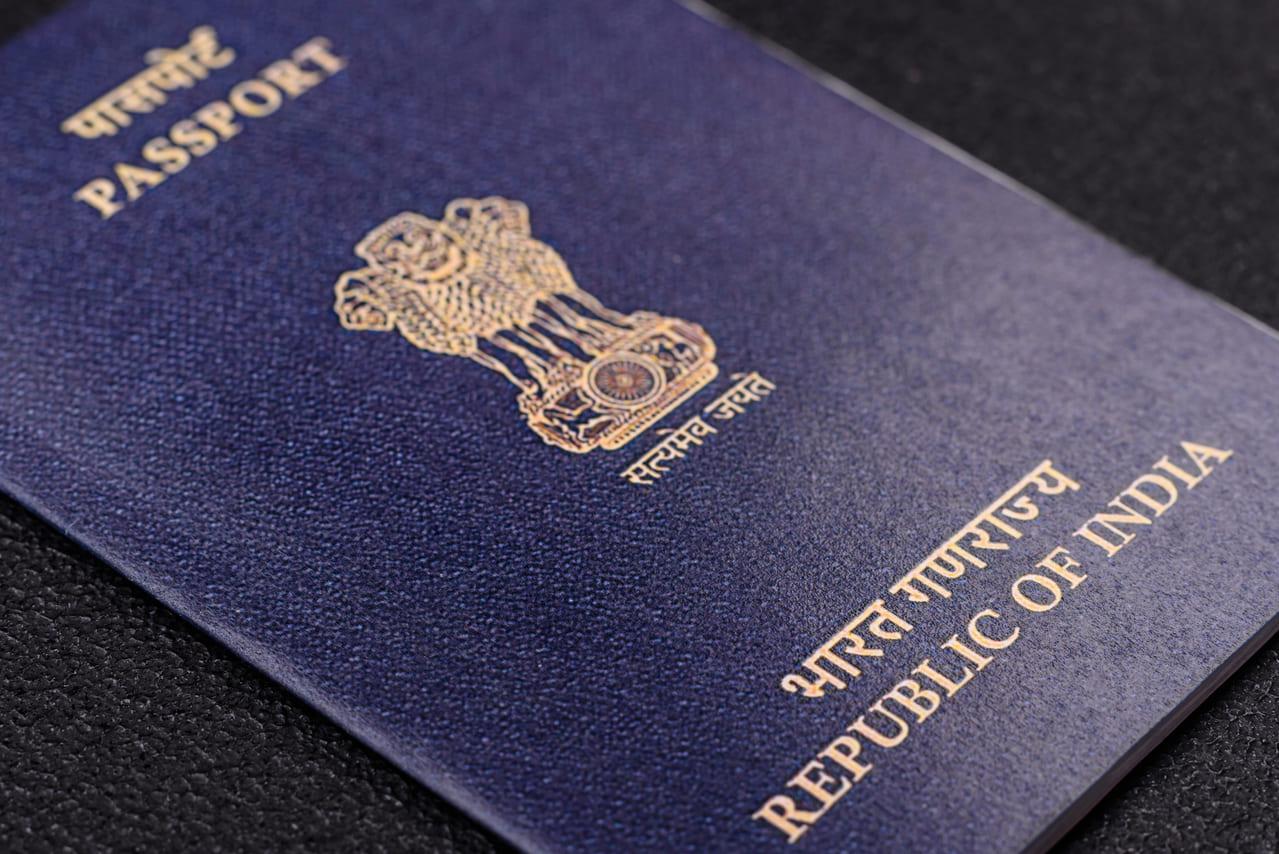
The Ministry of External Affairs (MEA) has clarified that an Indian passport should be considered primarily a travel document and not a standalone or conclusive proof of Indian citizenship. The statement has sparked a nationwide debate over which documents legally establish citizenship.
What did the Ministry say?
During Passport Seva Divas, an MEA official said that passports are issued to facilitate international travel and help identify nationality abroad, but the document itself does not function as a formal citizenship certificate.
The government later clarified that this is not a new policy change but a long-standing legal position.
Why did this create controversy?
The statement surprised many people because an Indian passport is generally issued only after government verification. This led to questions from citizens and political leaders about why a document issued after verification would not be treated as proof of citizenship.
The debate increased because many commonly used documents, such as:
Passport
Aadhaar card
Voter ID
PAN card
are widely used for identity purposes but are not automatically treated as final proof of citizenship.
What is the role of a passport?
An Indian passport mainly serves these purposes:
Allows citizens to travel internationally
Acts as an identity document while abroad
Helps foreign governments recognize the holder’s nationality status for travel purposes
However, citizenship status is determined under Indian citizenship laws, not only by possession of a passport.
Government explanation
Officials pointed to existing legal provisions, including the Passports Act, 1967, saying passports are regulated travel documents and are not meant to replace citizenship records.

Actress with back-to-back Telugu flops may leave Hyderabad