
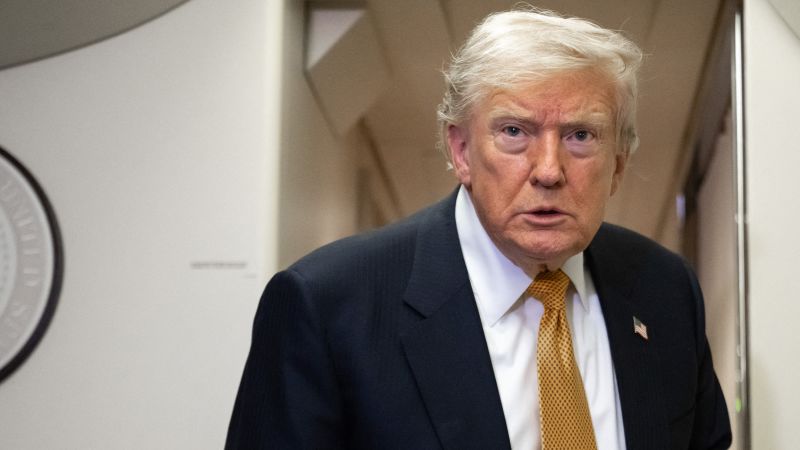
Washington, July 10, 2026: Israel reportedly shared new intelligence with the United States indicating that Iran had developed a fresh and specific plan to assassinate U.S. President Donald Trump. The reported warning has increased security concerns at a time of heightened tensions between Washington and Tehran.
According to media reports, Israeli intelligence officials provided the information to their American counterparts after identifying what they believed was a newly developed Iranian assassination plan. However, complete details regarding the alleged operation—including its timing, location, participants and stage of preparation—have not been publicly disclosed.
The allegation remains based on intelligence assessments reported by the media. No publicly available evidence has independently confirmed that an assassination attempt was imminent or ready to be carried out. Iran’s mission to the United Nations and the Israeli Embassy reportedly declined to comment on the claims.
Background of Iran’s Threats Against Trump
The reported threat is connected to the long-running conflict between Iran and the United States. Iranian officials have repeatedly demanded accountability for the killing of Major General Qassem Soleimani, the commander of Iran’s elite Quds Force.
Soleimani was killed in a U.S. drone strike near Baghdad International Airport in Iraq in January 2020. The military operation was authorised during Trump’s first presidential term. Iran strongly condemned the killing and described it as an unlawful act, while the Trump administration argued that Soleimani posed a threat to American personnel and interests.
Since then, U.S. authorities have treated possible Iranian retaliation against Trump and several former American officials as a serious national-security concern. The newly reported intelligence suggests that concerns regarding possible revenge actions have continued.
Trump Responds to Security Concerns
Trump acknowledged that threats against him have existed for a long time but did not publicly provide detailed information about the latest intelligence report. His comments suggested that U.S. authorities were aware of the risks and were taking security precautions.
Reports also said Trump had issued instructions regarding how the United States should respond if Iran successfully carried out an attack against him. His warning indicated that any such action could lead to a major American military response.
U.S. Authorities Assess the Intelligence
American intelligence and security agencies are expected to examine information received from Israel to determine its reliability, urgency and possible operational details. Intelligence warnings are generally reviewed using multiple sources before authorities decide whether additional security or diplomatic action is required.
The reported threat could result in stronger security measures around Trump, senior government officials and locations connected to the U.S. administration. However, officials have not publicly released specific details about any security changes.
Israel–U.S. Intelligence Cooperation
Israel and the United States maintain close intelligence and defence relations, particularly regarding Iran’s military activities, nuclear programme and regional influence.
The sharing of the alleged assassination intelligence demonstrates the continuing security cooperation between the two countries. However, reports have also pointed to differences between Trump and Israeli Prime Minister Benjamin Netanyahu over how to deal with Iran and whether military pressure or diplomatic efforts should receive greater priority.
Wider Impact on U.S.–Iran Relations
The allegation comes during a period of severe tension between the United States and Iran. A reported assassination plan targeting a serving U.S. president could significantly affect diplomatic efforts and increase the possibility of further confrontation.
Security experts may view any confirmed state-backed assassination plan as a major escalation because it would directly target the leader of another country. At the same time, the allegation has not been fully verified in public, making it important to distinguish intelligence claims from independently established facts

Hyderabad: Brain-dead businesswoman’s family donates her organs