
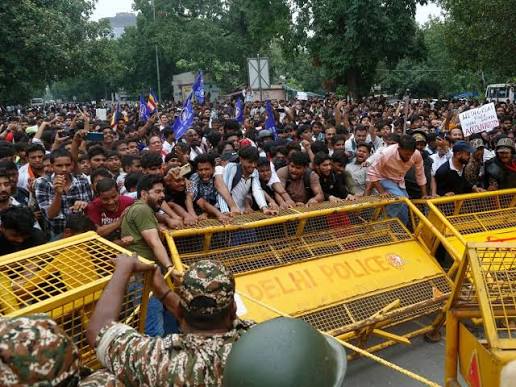
India’s youth-led “Cockroach” protest movement continues to show little sign of backing down despite police action and political pressure. The movement, led by the Cockroach Janta Party (CJP), has grown into one of the country’s largest youth-led protest campaigns in recent years.
Why did the protests begin?
The demonstrations were initially triggered by widespread anger over alleged irregularities in the NEET medical entrance examination, including a major question paper leak. Protesters argue that repeated failures in the examination system, along with rising youth unemployment and limited educational opportunities, have damaged the futures of millions of students.
What are the protesters demanding?
The protesters have put forward several key demands, including:
The resignation of Education Minister Dharmendra Pradhan.
Transparent reforms to India’s examination system.
Stronger action against exam paper leaks and corruption.
Compensation for families affected by the examination crisis.
Greater accountability from the government on education and youth employment.
Police response
Large demonstrations in New Delhi led to clashes between protesters and police. Authorities used batons (lathis), tear gas, and barricades to stop marchers from reaching Parliament. Many protesters and police personnel were injured, and several demonstrators were detained before later being released. Protest leaders have accused the police of using excessive force, while authorities say the measures were taken to maintain public order.
Why are protesters refusing to back down?
Movement leaders say the protests are now about more than the NEET controversy. They argue the campaign represents broader concerns over education, employment, and government accountability. Protesters have continued holding sit-ins and public gatherings, stating they will keep campaigning until their demands are addressed, although some leaders have paused large marches after the violence.
Political impact
The protests have attracted support from opposition leaders, including Rahul Gandhi, who briefly joined demonstrations and was detained before being released. Opposition parties have used the unrest to criticize the government’s handling of education and youth issues, while the CJP maintains that its movement is grassroots and not aligned with any political party.
Current situation
As of 22 July 2026, the movement remains active. Protesters continue to organize sit-ins and public campaigns, and leaders say they intend to sustain pressure through peaceful demonstrations and advocacy. The government has announced plans for reforms and investigations, but protesters argue that these measures do not fully address their demands.
Hyderabad: Brain-dead businesswoman’s family donates her organs