
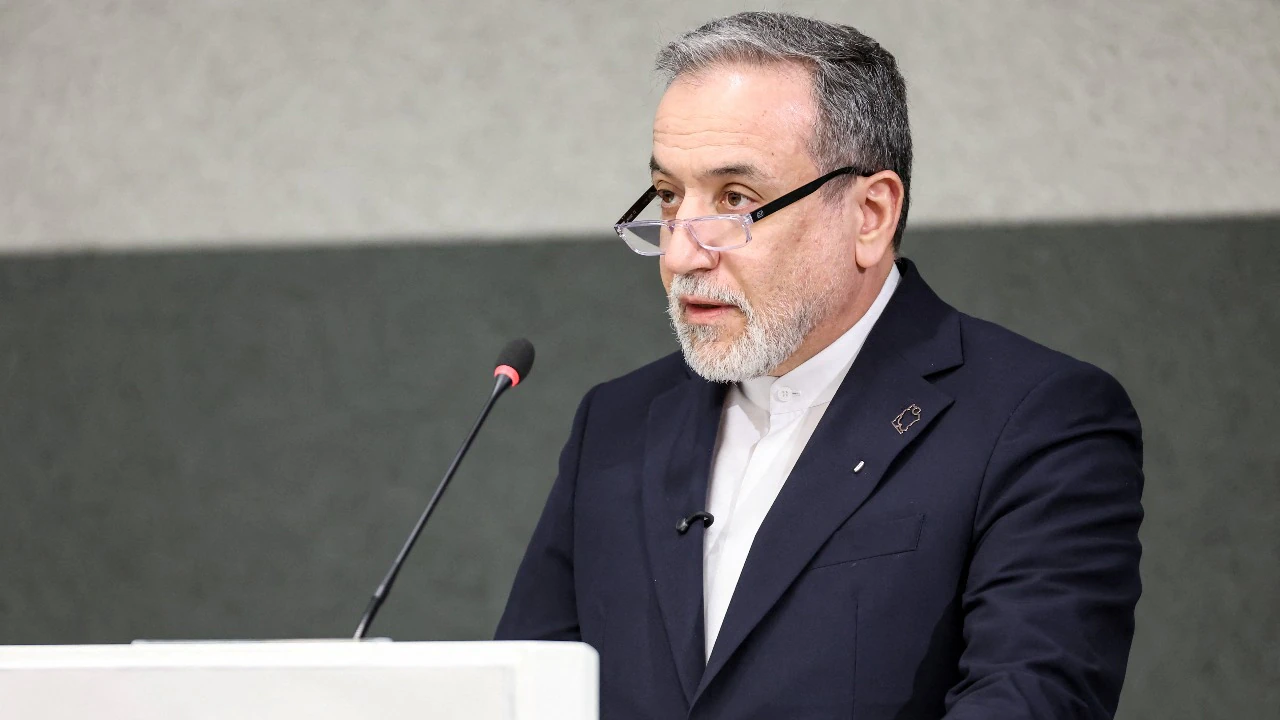
Iran’s Foreign Minister Abbas Araghchi has warned that any country allowing its territory, airspace, or military facilities to be used for U.S. attacks on Iran will be considered responsible for the consequences. His remarks came amid rapidly escalating military tensions between Iran and the United States in the wider West Asia region.
What did Abbas Araghchi say?
Araghchi stated that Iran’s response would not be limited to direct military action by the United States. According to him, countries that provide logistical support, military bases, intelligence, or airspace for U.S. operations against Iran would also be held accountable. He argued that such cooperation would amount to direct involvement in the conflict.
Why has the situation escalated?
The warning follows continued U.S. military strikes on Iranian military infrastructure. According to U.S. Central Command (CENTCOM), the strikes are aimed at reducing threats posed by Iran and protecting commercial shipping routes in the Gulf and Red Sea. The military campaign has continued for nearly two weeks.
Iran’s position
Iran says the U.S. attacks violate its sovereignty and international law. Tehran has warned that it reserves the right to respond against American military interests and against countries that assist U.S. operations. Iranian officials have also accused Washington of increasing instability across the Middle East instead of pursuing diplomacy.
Regional concerns
The warning has increased concerns among Gulf countries that host U.S. military bases. Nations such as Bahrain, Kuwait, Qatar, Saudi Arabia and others have raised security alerts as fears grow that the conflict could spread across the region. Governments are urging restraint while strengthening security around key military and energy installations.
International reaction
The United Nations and several world leaders have appealed for immediate de-escalation, warning that further military action could destabilize the entire Middle East, threaten global energy supplies, and disrupt major shipping routes such as the Strait of Hormuz and the Bab el-Mandeb Strait.

Hyderabad: Brain-dead businesswoman’s family donates her organs