
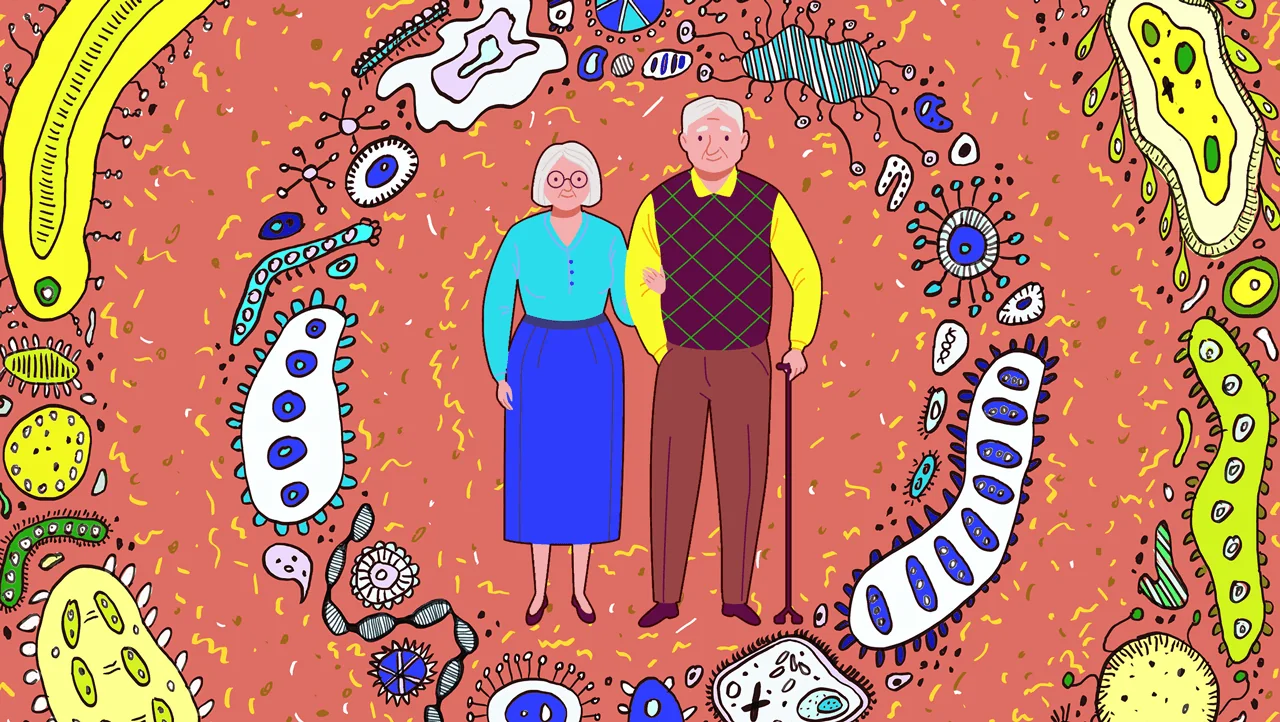
Researchers studying healthy ageing say that the gut microbiome—the trillions of bacteria, fungi, and other microorganisms living in the digestive system—plays an important role in how the body ages. According to a UK scientist, changes in the gut microbiome can influence inflammation, immunity, and overall health, potentially affecting the ageing process.
What Is the Gut Microbiome?
The gut microbiome is a community of beneficial and harmful microbes that live in the intestines. In a healthy person, these microorganisms help:
Digest food
Produce certain vitamins
Support the immune system
Protect against harmful bacteria
Maintain the health of the digestive tract
A balanced microbiome is considered essential for good health.
How Is It Connected to Ageing?
As people grow older, the diversity and balance of microbes in the gut often change. Scientists believe these changes may contribute to chronic low-grade inflammation, a condition sometimes referred to as “inflammaging.”
Unlike the short-term inflammation that helps the body fight infections or heal injuries, chronic inflammation can continue for years and may gradually damage healthy tissues.
Why Inflammation Matters
Long-term inflammation has been linked to an increased risk of several age-related conditions, including:
Heart disease
Type 2 diabetes
Arthritis
Alzheimer’s disease and other forms of dementia
Certain cancers
Researchers say reducing unnecessary inflammation may help improve overall health and quality of life as people age.
Role of Gut Bacteria
According to the scientist, beneficial gut bacteria produce compounds known as short-chain fatty acids, which help:
Strengthen the gut lining
Reduce inflammation
Support immune function
Maintain healthy metabolism
When the balance of these bacteria is disturbed, harmful microbes may become more dominant, increasing inflammation and weakening the body’s natural defenses.
Factors That Affect the Gut Microbiome
Experts say several lifestyle factors influence the health of the gut microbiome, including:
Diet
Physical activity
Sleep quality
Stress levels
Use of antibiotics and certain medications
Smoking and alcohol consumption
Healthy habits can help maintain a more diverse and balanced gut microbiome.
How to Support Gut Health
Health experts recommend several steps to promote a healthy gut:
Eat plenty of fruits and vegetables.
Include whole grains, beans, nuts, and seeds in daily meals.
Consume fermented foods such as yogurt, kefir, kimchi, or sauerkraut if suitable.
Stay physically active.
Drink enough water.
Get adequate sleep.
Avoid unnecessary use of antibiotics and consult a doctor before taking them.

Actress with back-to-back Telugu flops may leave Hyderabad